What Decides Your Scrap Metal Price? A Seller’s Guide for Jeddah & Makkah
Ask two scrap buyers in Jeddah to price the same pile of metal and you will often hear two different numbers. That gap is not random, and it is not always one buyer trying his luck. A scrap price is built out of several factors that any seller can understand — and once you know them, you can prepare your material properly, ask the right questions and recognise a fair offer when you hear one. This guide explains exactly what decides the value of your scrap in Jeddah and Makkah, factor by factor, with no invented rates and no sales talk.
1. The metal itself — type and grade come first
Every scrap price starts with what the metal actually is. Copper sits at the top of the common household metals because industry demand for it is strong and it can be recycled indefinitely without losing quality. Brass and aluminium follow, then clean steel, and then iron, which is heavy and plentiful but worth less per kilo. Within each metal there are grades. Bright, clean copper wire is a different grade from copper pipe with soldered joints, and both differ from a copper winding still sealed inside a motor. The same applies to aluminium: a clean sheet or extrusion is graded higher than a cast piece coated in paint and rubber seals.
This is why a serious buyer asks questions before quoting. If someone gives you a firm price for “a pile of metal” over the phone without knowing what is in it, that price is a guess — and guesses in this trade usually protect the guesser, not the seller.
2. Purity — what is mixed in decides the grade
After metal type, purity is the biggest lever on price. Recyclers pay for the metal they can actually recover. A copper cable still wearing its plastic insulation contains far less copper per kilo than the bare wire inside it, so it is bought as insulated cable at a cable grade — not at a copper grade. An aluminium window frame with rubber strips, screws and glass residue is graded down for the same reason. A motor is bought as a motor, because separating its copper windings from its steel body takes labour and machinery.
None of this is a trick; it is how smelters and processors price their own purchases, and it flows down the chain. What matters for you as a seller is that the assessment is explained honestly: which grade each item was put in, and why. If a buyer will not explain the grading, that is a reason to call another buyer.
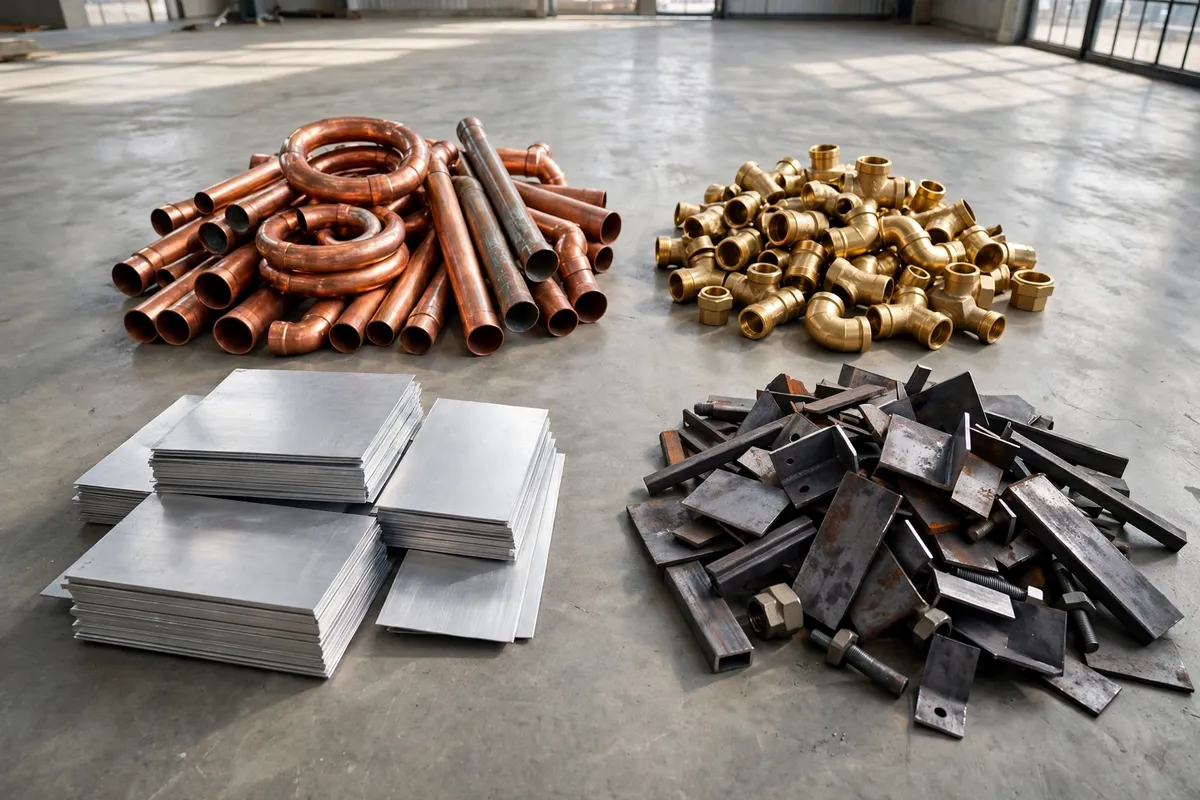
3. Separation — sorted metal earns more than a mixed pile
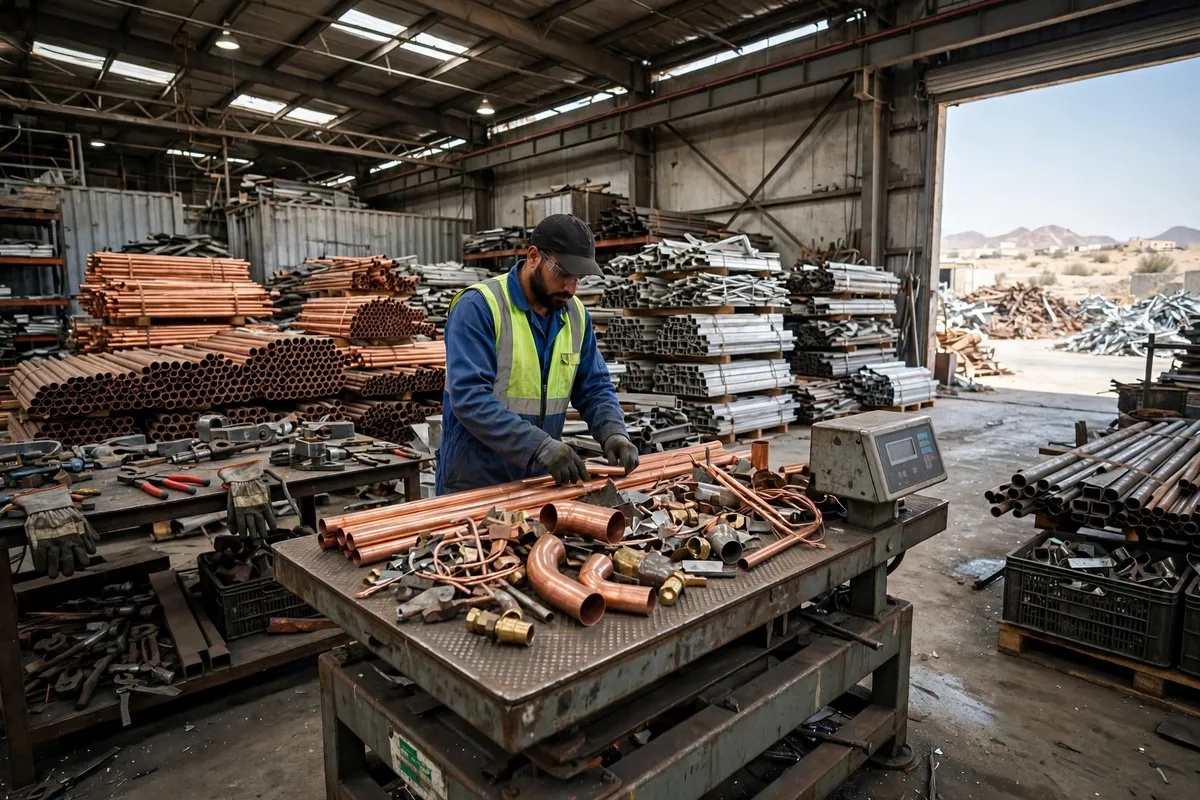
Because grading drives price, a sorted load is worth more than the same load thrown into one heap. When copper, brass, aluminium, steel and iron arrive already separated, the buyer can grade and weigh each type quickly and pay the right rate for each. When everything is mixed, someone has to do that sorting by hand — and mixed loads are often bought cautiously, at a blended rate that favours the buyer.
You do not need to be an expert to prepare well. These steps make a real difference:
- Keep each metal in its own pile or bag — copper with copper, aluminium with aluminium.
- Pull out obvious non-metal waste: plastic, wood, glass, rubber and soil.
- Drain water and oil from tanks, engines and machinery before weighing.
- Keep complete items complete — a motor, compressor or AC unit is assessed as a unit.
- Send clear photos before the visit so the buyer arrives prepared for your load.
The full list of what we assess is on our What We Buy page, from copper and cable to complete AC units and machinery.
4. Weight — and why honest weighing protects you
Scrap is bought by weight, so the scale is where your money is decided. Two things matter here. The first is that the weighing happens where you can see it, on a scale that reads clearly, item type by item type — not a single mysterious total at the end. The second is deductions. A fair buyer may deduct for genuine non-metal content that cannot be removed — heavy rust scale, concrete stuck to reinforcement, water inside a sealed tank — but the deduction should be named and explained, not quietly folded into a lower weight.
If a number looks wrong, ask for the item to be weighed again while you watch. A professional buyer expects that request and has no problem with it. Reluctance to re-weigh is information in itself.
5. Form and condition — complete units are priced differently
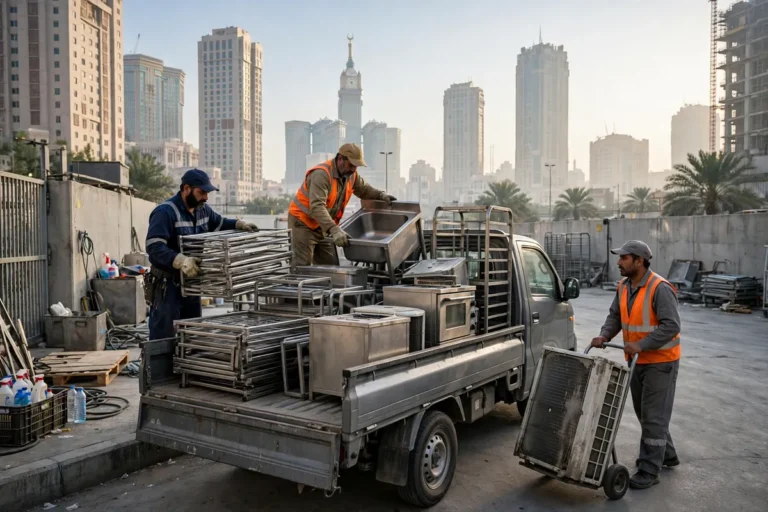
Not everything is priced as loose metal. Complete items — an air conditioner, an electric motor, a compressor, a generator — are assessed as units, because their value sits in the mix of metals inside them and in the work needed to release those metals. A large industrial motor contains far more copper than a small fan motor, so size, brand plate information and condition all feed into the assessment. This is why sending a photo of the rating plate on motors and AC units helps you get a realistic estimate before anyone travels.
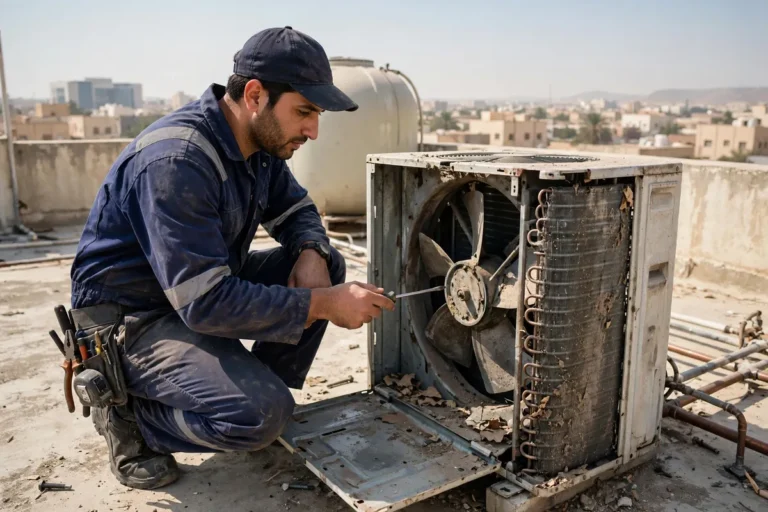
Condition matters most where damage destroys recoverable metal: burnt motors, for example, lose value because fire damages the windings. Honest wear and dust, on the other hand, change very little — scrap buyers expect used material.
6. Market movement — why prices change from week to week
Scrap metal is a commodity, and its price moves with international metal markets, local demand from processors and the season. Construction activity in the Kingdom affects demand for recycled steel; manufacturing demand affects copper and aluminium. This means a quote is a snapshot of a moving market. A price you were offered two months ago is genuinely out of date, and two quotes gathered on the same day are a much fairer comparison than one quote today and a memory from last season.
Serious buyers revise their buying rates as the market moves, which is also why no honest scrap website prints a permanent price list. Rates quoted per kilo on the day, for your actual material, are the only numbers worth comparing.
7. Quantity and collection logistics
Finally, quantity and access shape the deal. A buyer collecting several tonnes of factory scrap in one trip spreads his transport cost over a large load, and bulk quantities usually attract keener rates than a single bag of fittings. On the other hand, a small load in a hard-to-reach place — a rooftop unit, a basement plant room, a site with no vehicle access — involves labour that has to come out of the same money. None of this should be hidden from you: if logistics affected your quote, the buyer should say so plainly, and you can then decide whether preparing better access, or combining your scrap with a neighbour’s or a full-site clearance, improves the deal. Our How It Works page shows exactly how a collection runs, from photos to payment.
The short version
Your scrap price is decided by the metal type and grade, how pure and well sorted it is, its true weight on a scale you can see, the form it comes in, the day’s market and the practicalities of collecting it. Sellers who understand those six factors stop guessing and start negotiating from knowledge. If you have metal to sell in Jeddah, Makkah, Taif or KAEC, send us clear photos of what you have — we will assess it item by item, explain the grading, weigh it in front of you and pay on the spot.
Frequently asked questions
Why did two scrap buyers quote me different prices?
Usually because they graded the material differently, assumed different levels of contamination, or priced on different days in a moving market. Ask each buyer to break the quote down by item and grade — the explanation tells you more than the number.
Do scrap metal prices change every day?
They can move at any time with the metal markets, though in practice buying rates are revised as the market shifts rather than hourly. A quote is therefore always tied to the day and the actual material assessed.
Should I strip the insulation off my cables before selling?
For small household quantities, insulated cable is accepted as it is and graded as cable. Never burn insulation off — it is harmful, it damages the copper, and burnt wire is graded down, not up.
Will my scrap be weighed in front of me?
Yes — with us, weighing happens at your premises or our yard where you can watch it, item type by item type, and you can ask for anything to be re-weighed before agreeing.
Related Guides
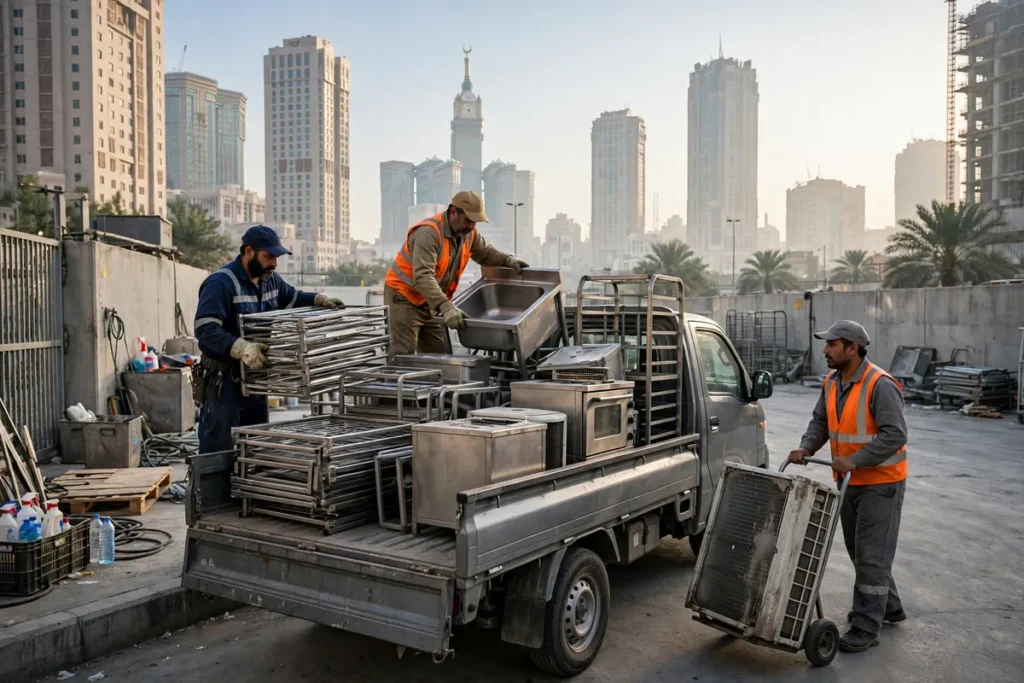 21 Oct 2026Selling Scrap in Makkah: A Practical Guide for Hotels, Businesses and HomeownersHotel refits, shop fit-outs and home renovations in Makkah produce valuable scrap. What to sell, when to schedule it, and how a proper paid…Read the guide →
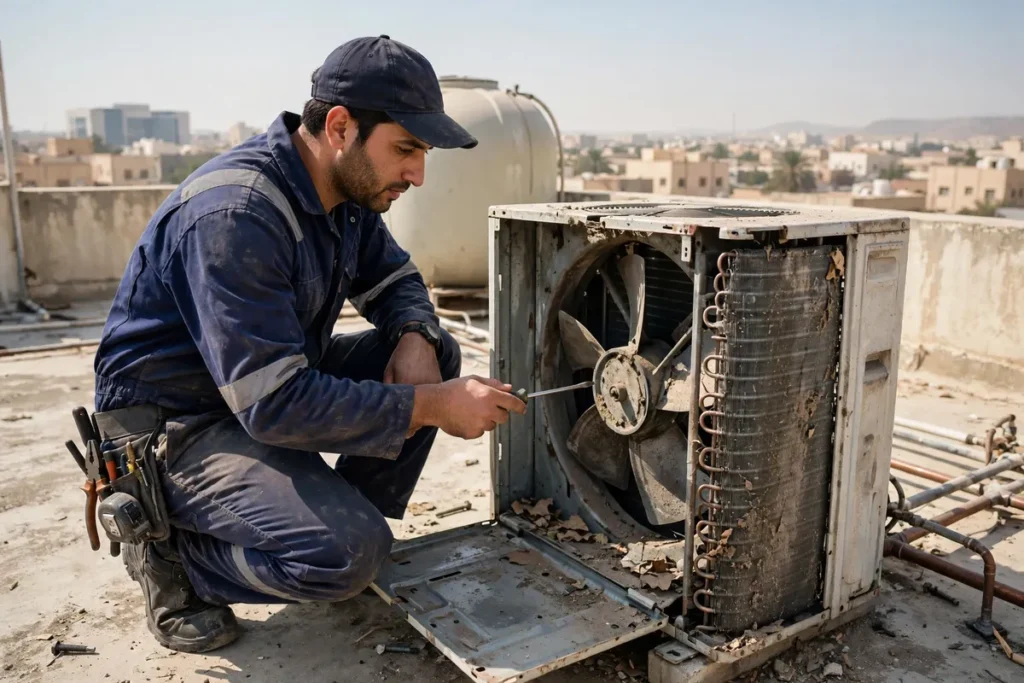 21 Oct 2026Repair or Scrap? How to Decide What to Do With Your Old AC UnitAnother repair bill for a struggling AC? The signs it is near the end, when repairing still makes sense — and what your old…Read the guide →