Selling Scrap in Makkah: A Practical Guide for Hotels, Businesses and Homeowners
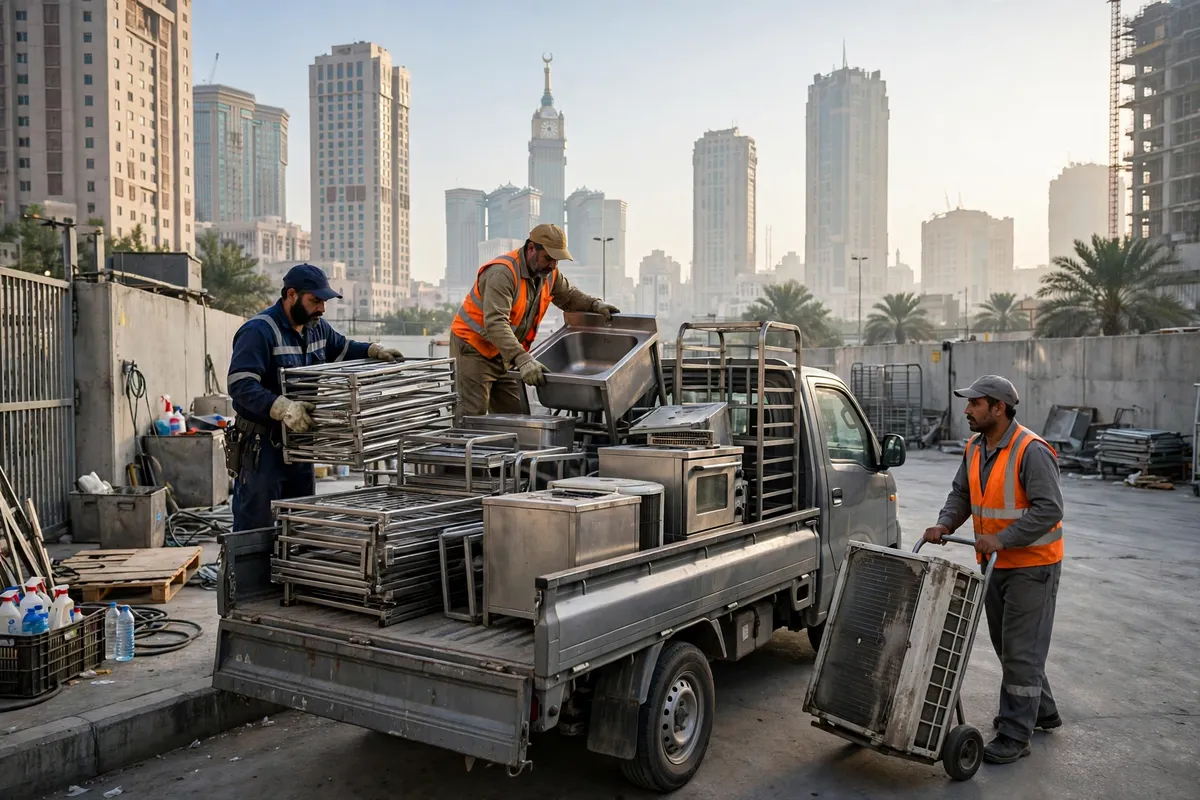
Makkah never stands still. Hotels refresh their rooms and kitchens, restaurants refit, shops change hands and families renovate — and every one of those projects produces scrap: bed frames and boilers, shelving and signage, AC plants and cable by the bundle. Too much of it still leaves in a skip as mixed waste, which means its value leaves with it. This guide is for the people who generate that scrap — hotel managers and engineers, shop and restaurant owners, and homeowners across Makkah — and it explains what to sell, when to schedule it, and how a proper collection works in the city’s busiest districts.
Why Makkah produces so much valuable scrap
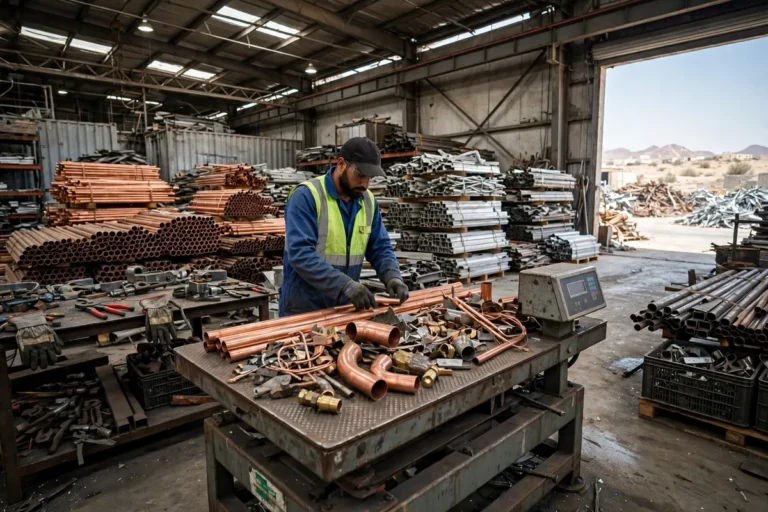
Few cities refurbish as continuously as Makkah. Hospitality buildings work to demanding standards and tight seasonal calendars, so furniture, kitchen equipment and building systems are renewed far more often than in an ordinary city. Retail turns over quickly too, and residential renovation follows the same rhythm. The result is a steady stream of exactly the materials the scrap trade values most: stainless steel from commercial kitchens, copper from rewiring and AC systems, aluminium from windows and shopfronts, steel from racking, shutters and bed frames, and complete mechanical equipment from plant rooms.
The mistake sellers make is treating this stream as rubbish. Mixed into a skip with plaster, wood and packaging, good metal earns nothing. Kept separate and sold to a scrap buyer, the same material is weighed, graded and paid for.
For hotels: refit scrap and the seasonal calendar
Hotel refits are the single largest source of quality scrap in Makkah. A floor-by-floor room refresh produces metal bed frames, luggage racks and bathroom fittings by the dozen. Kitchen renewals produce stainless worktops, sinks, trolleys, shelving and worn-out cooking equipment. Engineering departments replace boilers, pumps, motors, pipework and — biggest of all — air-conditioning: outdoor condensers, air-handling units and copper runs that carry real value.
Timing is the hotelier’s main lever. The sensible windows are the quieter periods between the peak seasons, when corridors and service lifts are freer and a collection crew is not fighting guest traffic. Plan the scrap clearance as part of the refit programme itself, not as an afterthought when the contractor is already loading: agree the collection days in advance, hold finished floors’ material in one service area, and let one organised clearance take everything room by room. Our Scrap Buyers in Makkah page lists the districts and property types we collect from across the city.
For shops and restaurants: fit-outs and closures
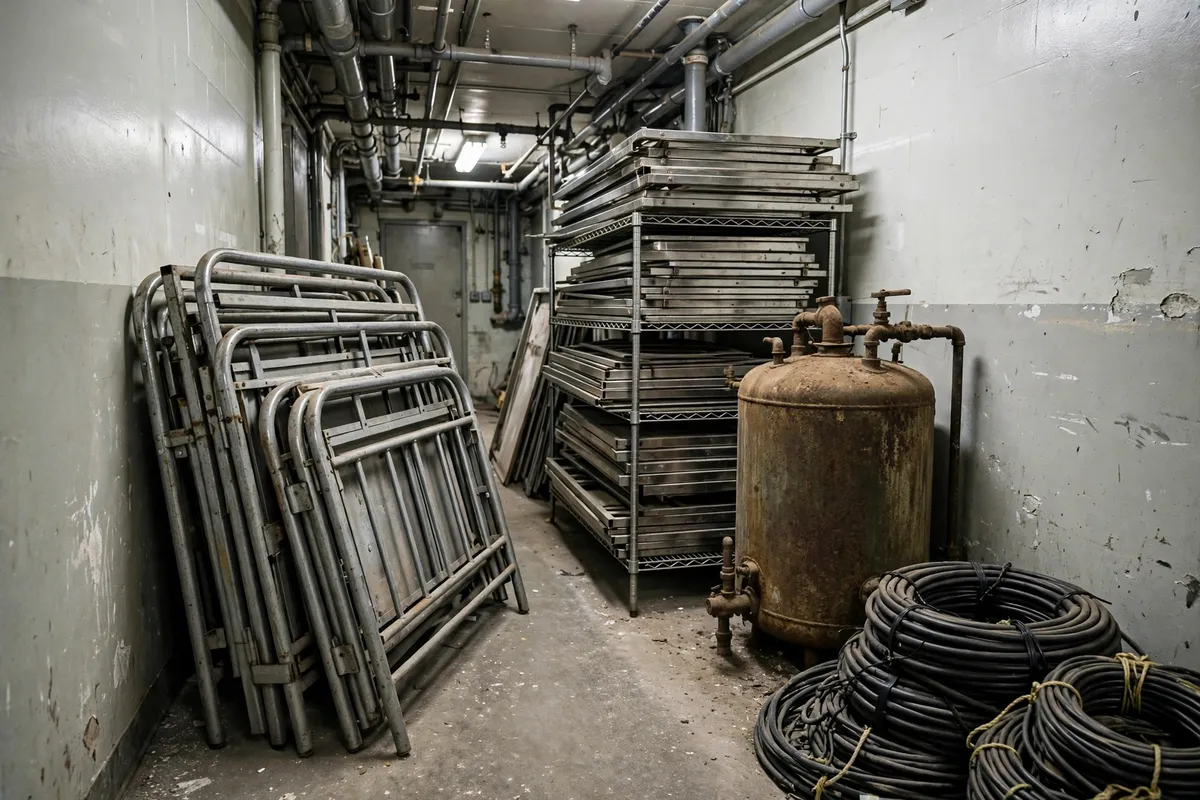
Retail and food businesses generate concentrated, high-grade scrap when they refit, relocate or close. Steel racking and gondola shelving, aluminium and glass shopfront sections, signage frames, roller shutters and display counters all have buyers. Commercial kitchens add the best of it: stainless steel preparation tables, sinks, extraction hoods and ducting, plus refrigeration — compressors and display fridges that are assessed as complete units.
Two practical tips protect your return. First, photograph everything before the fit-out crew starts stripping; a clear record gets you a realistic assessment and avoids arguments about what was on site. Second, keep the metals roughly separated as they come out — copper cable in one bundle, stainless in one stack, mixed steel in another. Fifteen minutes of separation during the strip-out is worth real money at the scale, because sorted material is graded as what it is rather than as a cautious blend. Industrial and fit-out quantities are covered by our industrial scrap buying service.
For homeowners and villa owners
Homes produce scrap in bursts: a renovation, a move, a majlis or kitchen renewal, a villa clearance. The usual inventory is predictable — old AC units (often several at once), water heaters and tanks, satellite dishes, aluminium windows and doors, metal gates and railings, gym equipment, and the contents of the store room nobody has opened for years: bicycles, bed frames, pipes and cable left by earlier works.
Homeowners are often surprised that a buyer will collect all of this in one visit and pay for it, because individually the items look like junk. Combined, they are a proper load. The same rule as everywhere applies: the clearer your photos, the firmer your assessment before anyone travels. And if you are clearing a whole property — after a tenancy ends or before a sale — say so; a full clearance is planned differently from a single-item collection, with the right vehicle and enough hands the first time.
Access and scheduling in busy districts
Central Makkah rewards planning. Streets near the Haram are busy at most hours, loading space is limited, and many buildings route goods through service entrances and lifts that must be booked or at least warned. None of this prevents a collection — it simply means the visit should be arranged rather than improvised. Tell the buyer the building type, the floor, whether a service lift exists, and where a vehicle can stand; agree a time window that avoids the busiest prayer-time traffic around your street; and have the material gathered at one point before the crew arrives.
Do that, and even a large clearance in a busy district runs quietly: assessment confirmed from your photos, weighing done on site where you can watch it, payment settled before the vehicle leaves. Our scrap collection and removal service is built around exactly this kind of planned, single-visit clearance.
How the process works, start to finish
Every collection, from a single AC unit to a hotel floor, follows the same four steps. You send photos and a short description of what you have. We assess it and give you a fair figure or a clear basis for the final on-site price. We agree a day and time window that suits your building and your street. On the day, the crew weighs and loads in front of you — and you are paid before they leave. No storage, no waiting for a transfer, no second visit to settle up. The full walkthrough is on our How It Works page, and if you are ready to start, the fastest route is the quote form or a WhatsApp message with your photos.
Frequently asked questions
Do you collect scrap from hotels in central Makkah?
Yes — hotels, restaurants, shops and homes across Makkah, including the central districts. Share the building details and access arrangements when you book so the visit is planned properly.
When is the best time to schedule a hotel clearance?
During quieter periods between peak seasons, and on agreed days within your refit programme. Booking ahead lets us align crew and vehicles with your floors and service-lift availability.
Can you clear a complete shop fit-out in one visit?
Yes — shelving, signage, shutters, kitchen equipment and refrigeration can be assessed from photos first, then weighed, loaded and paid for in a single planned visit.
Do you also collect from homes and villas in Makkah?
Yes. AC units, tanks, windows, gates and full property clearances are all collected — send photos of everything you have and it can usually go in one load.
Related Guides
 21 Oct 2026Repair or Scrap? How to Decide What to Do With Your Old AC UnitAnother repair bill for a struggling AC? The signs it is near the end, when repairing still makes sense — and what your old…Read the guide →
 21 Oct 2026What Decides Your Scrap Metal Price? A Seller’s Guide for Jeddah & MakkahTwo buyers, two different prices for the same metal. Here is exactly what decides your scrap metal price in Jeddah and Makkah — and…Read the guide →